The honest answer is: it depends on the machine and your site — so the better question isn’t “what does it cost,” it’s “how fast does it pay back.” For most commercial and utility sites, mechanised cleaning earns its price back through the labour it saves and the generation it recovers. Here’s how to think about both.
What drives the price
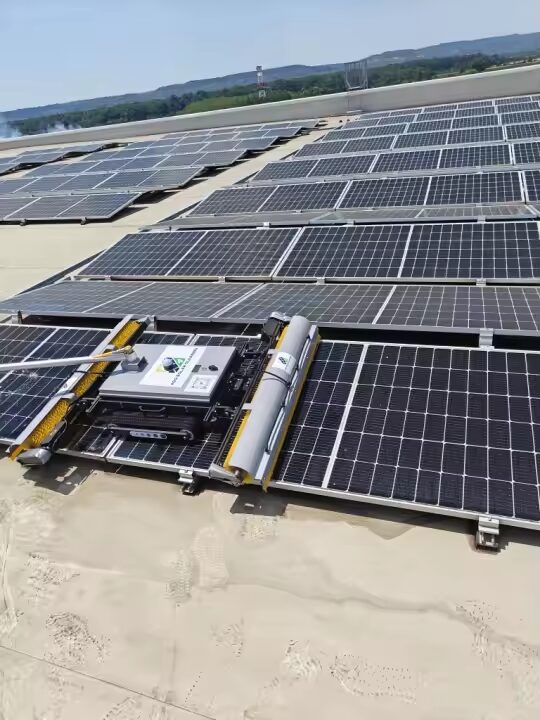
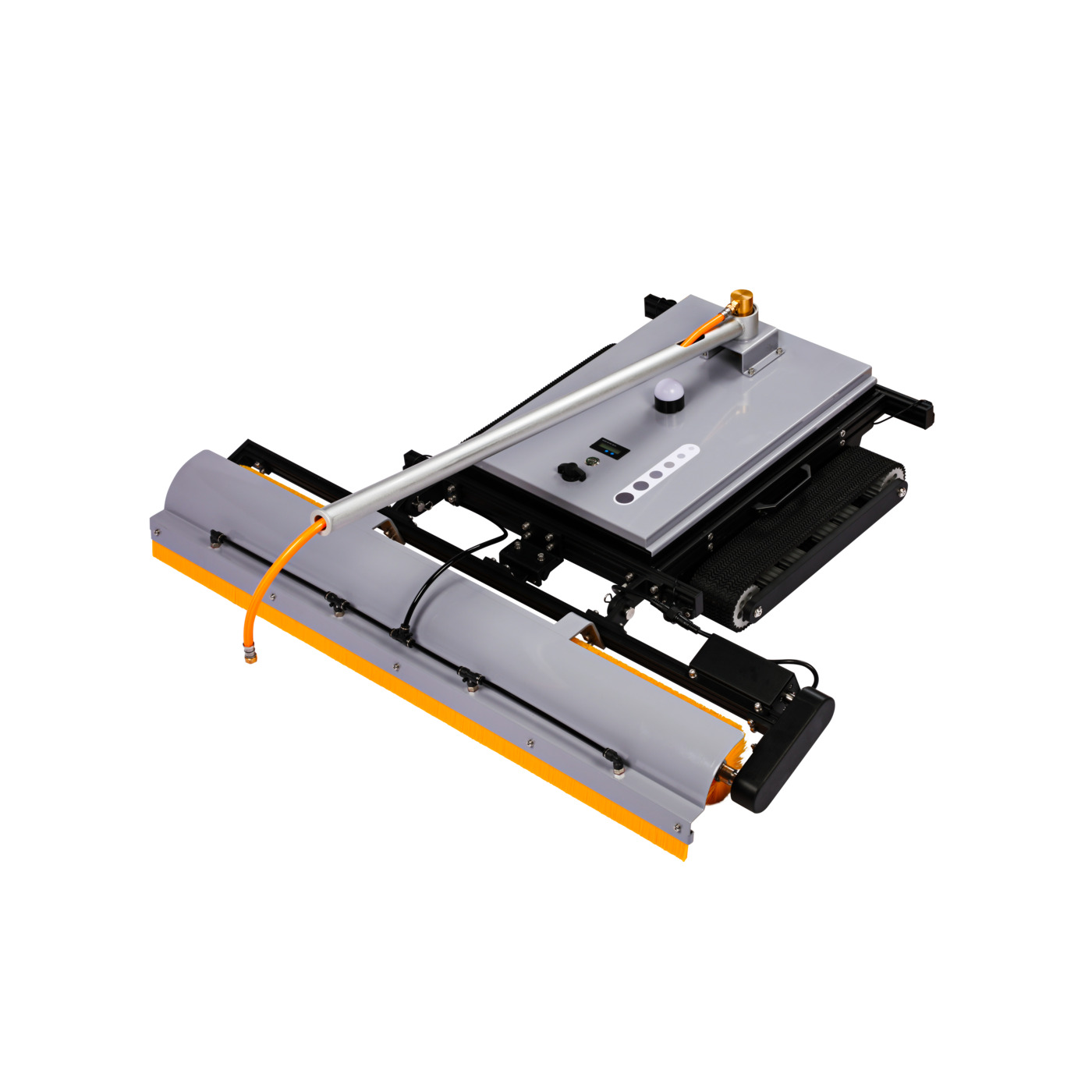
- Type of machine — a long-reach electric brush is a fraction of the cost of a crawler robot; a robot costs more but replaces far more labour.
- Reach and width — longer poles, wider brushes and larger robots cost more but cover more per hour.
- Power version — mains, lithium or dual-power; battery packs add cost but unlock off-grid and remote sites.
- Brush and customization — brush material, plug and voltage for your country, and any OEM/branding.
Because these vary site to site, we quote per project rather than list a single price — it’s the only way to give you an accurate number instead of a misleading one.
What drives the payback
The price is only half the equation. The return comes from three places:
- Labour saved — usually the biggest line. A wide electric brush lets one person cover far more area per hour than a hand tool; a robot covers the most and runs with minimal supervision.
- Yield recovered — clean panels generate more. Where soiling is heavy, the recovered output alone can justify regular cleaning (see how much soiling really costs).
- Safety and risk — keeping crews off high roofs removes fall risk and the costs that come with it.
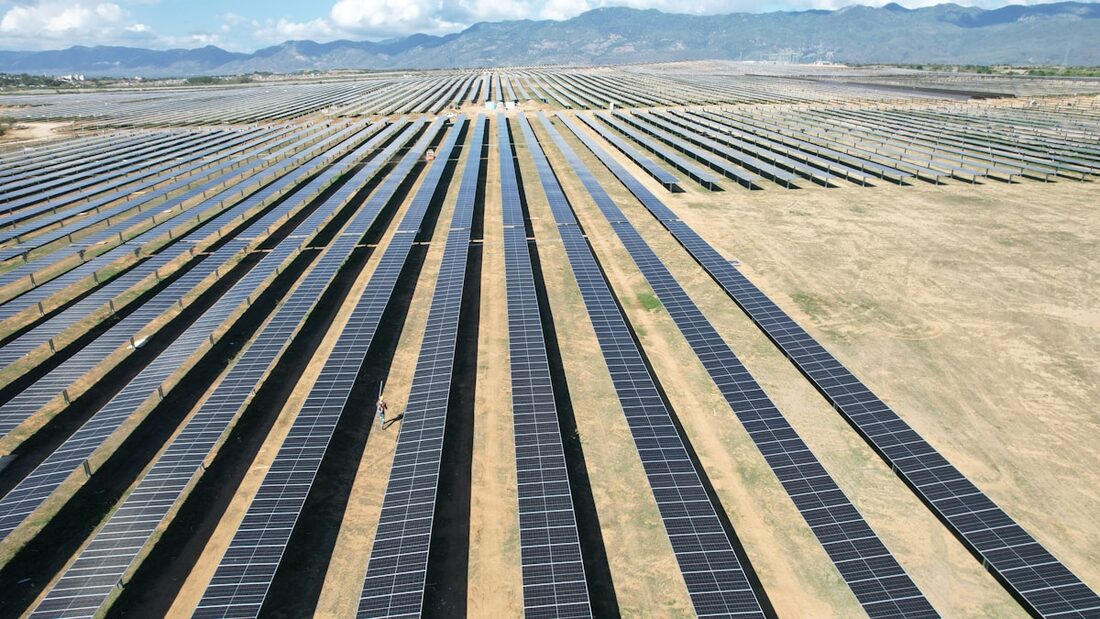
On larger, dustier or higher sites, those returns add up quickly — which is why the machine that looks more expensive up front is often the cheaper choice over a year of cleaning.
Get a real number for your site
Tell us your site size, module tilt, power situation and location, and we’ll recommend a machine and give you an accurate quote — usually within 24 hours. Request a quote →